
CeraVe Hydrating Hyaluronic Acid Serum vs Neutrogena Hydro Boost Serum: Which Is Better for Dry Skin in 2026?
As an Amazon Associate I earn from qualifying purchases. See my affiliate disclosure for details.
By Glow Essentials • Last updated: November 1, 2026
Glow Essentials compared the CeraVe Hydrating Hyaluronic Acid Serum with the Neutrogena Hydro Boost Ultra Hydrating Serum to find the better hyaluronic acid serum for dry skin. Both are fragrance-free, drugstore-priced serums built around hyaluronic acid, yet they solve dryness in different ways. For most people, CeraVe Hydrating Hyaluronic Acid Serum is the better buy because its three essential ceramides and vitamin B5 support the skin barrier while it hydrates, while Neutrogena Hydro Boost Serum is the better pick if you want the lightest, most weightless feel under makeup and sunscreen.
Quick Verdict: CeraVe Hyaluronic Acid Serum vs Neutrogena Hydro Boost Serum
CeraVe Hydrating Hyaluronic Acid Serum wins on barrier support and lasting comfort — its ceramides, vitamin B5, and controlled-release MVE technology help dry skin feel hydrated for longer, and its gel-cream texture seals in moisture under a moisturizer. It is the better pick for dry, tight, or sensitive skin.
Neutrogena Hydro Boost Ultra Hydrating Serum wins on weightlessness and easy layering — its water-light, oil-free formula absorbs almost instantly, leaves no greasy residue, and sits beautifully under sunscreen and makeup. It is my pick for combination, oily, or makeup-heavy routines.
Bottom line: For most people, CeraVe Hydrating Hyaluronic Acid Serum is the better buy because barrier support matters more than texture alone when skin is truly dry — but if your skin is only mildly dry and you hate any hint of heaviness, Neutrogena is the serum you will reach for every day.
👉 Check current price of CeraVe Hydrating Hyaluronic Acid Serum | 👉 Check current price of Neutrogena Hydro Boost Ultra Hydrating Serum
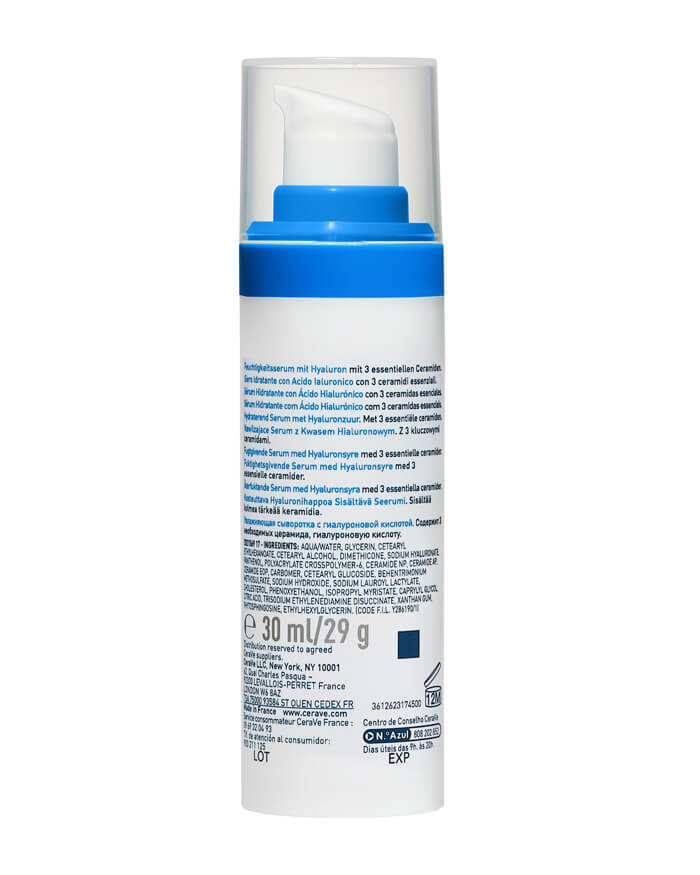

Table of Contents
- At a Glance: Side-by-Side Comparison
- How Hyaluronic Acid Actually Works
- CeraVe Hydrating Hyaluronic Acid Serum: In-Depth Review
- Neutrogena Hydro Boost Ultra Hydrating Serum: In-Depth Review
- Who Should Buy Which?
- Tips for Getting the Most Out of Either Serum
- Frequently Asked Questions
At a Glance: Side-by-Side Comparison
| Feature | CeraVe Hydrating Hyaluronic Acid Serum | Neutrogena Hydro Boost Ultra Hydrating Serum |
|---|---|---|
| Star ingredient | Hyaluronic acid at CeraVe's highest concentration | Hyaluronic acid plus natural moisturizing factors |
| Barrier support | Three essential ceramides + vitamin B5 | Trehalose and glycerin for hydration, no ceramides |
| Size | 1 fl oz (30 ml) | 1 fl oz (30 ml) |
| Texture | Lightweight gel-cream | Water-light, weightless gel |
| Fragrance | Fragrance-free | Fragrance-free |
| Non-comedogenic | Yes | Yes |
| Best for | Dry, tight, or sensitive skin | Combination, oily, or makeup-heavy skin |
| Price range | Budget drugstore — check current price | Budget drugstore — check current price |
| Our score: Hydration | 9/10 | 8.5/10 |
| Our score: Barrier comfort | 9/10 | 7.5/10 |
| Our score: Value | 9/10 | 8.5/10 |
Both serums deliver a full 1 fl oz bottle of fragrance-free hyaluronic acid hydration at a drugstore price, so the choice is not about size or budget — it is about what your skin needs most. CeraVe pairs its hyaluronic acid with 3 essential ceramides and vitamin B5, per the brand's official ingredient list, while Neutrogena pairs its hyaluronic acid with natural moisturizing factors and claims up to 72 hours of moisture, per the brand's product description. Hyaluronic acid itself can hold up to 1,000 times its weight in water, which is why both serums can make skin feel plumper within minutes — but only CeraVe also feeds the barrier that keeps that water from escaping.
How Hyaluronic Acid Actually Works
Hyaluronic acid is a humectant: it draws water into the top layers of skin and holds it there, which is why dry skin looks smoother and feels less tight after a serum absorbs. It works best on slightly damp skin, and it works best when you seal it in — a humectant with nothing on top can actually lose moisture to dry air, especially in winter or in a heated home.
CeraVe Hydrating Hyaluronic Acid Serum: In-Depth Review
CeraVe's serum is the most concentrated hyaluronic acid formula the brand makes, and it shows in the texture: a light gel-cream that feels richer than a water serum but still absorbs cleanly. Per the brand's official ingredient list, it combines hyaluronic acid with three essential ceramides (1, 3, and 6-II), vitamin B5 (panthenol), and CeraVe's MVE technology, which releases moisturizing ingredients over time rather than all at once.
On dry skin, that combination is genuinely useful. The ceramides help rebuild the barrier while the hyaluronic acid hydrates, so skin does not just feel wet for an hour — it feels comfortable at the end of the day. It is fragrance-free, non-comedogenic, and developed with dermatologists, which makes it an easy recommendation for sensitive skin.
Pros:
- Three essential ceramides plus vitamin B5 support the barrier, not just hydration
- MVE technology releases moisture over time for longer-lasting comfort
- Fragrance-free, non-comedogenic, and dermatologist-developed
- Gel-cream texture works beautifully under a plain moisturizer in winter
Cons:
- Slightly heavier than Neutrogena — can feel like too much on oily skin
- May pill under sunscreen or makeup if layered too quickly
- No extra brightening actives — this is a hydration serum, nothing more
- 1 fl oz bottle runs out faster if you use it morning and night on face and neck
Neutrogena Hydro Boost Ultra Hydrating Serum: In-Depth Review
Neutrogena's Hydro Boost serum is the weightless option. Per the brand's product description, it pairs hyaluronic acid with natural moisturizing factors and is designed for up to 72 hours of moisture, in an oil-free, non-comedogenic, fragrance-free formula. The texture is the star here: it feels like water, sinks in within seconds, and leaves no film at all.
That makes it the better serum for layering. Under vitamin C in the morning, under sunscreen, under makeup — it disappears and lets everything else do its job. For combination or oily skin, that invisibility is a real advantage: you get hydration without shine, and without the heavy feeling that makes some people skip serum altogether.
Pros:
- Weightless, water-light texture — the easiest serum here to layer daily
- Oil-free and non-comedogenic, so it suits combination and oily skin
- Fragrance-free and gentle enough for sensitive skin in most routines
- Claims up to 72 hours of moisture when paired with a moisturizer
Cons:
- No ceramides, so less barrier repair than CeraVe for very dry skin
- Very dry skin may still need a richer cream on top to stay comfortable
- No brightening or anti-aging actives beyond hydration itself
- 1 fl oz bottle is small for twice-daily, face-and-neck use
Who Should Buy Which?
Choose CeraVe Hydrating Hyaluronic Acid Serum if you: have dry, tight, or flaky skin; your barrier feels compromised or reactive; you want one serum that hydrates and supports the barrier; or you live in a cold or dry climate and need lasting comfort.
Choose Neutrogena Hydro Boost Ultra Hydrating Serum if you: have combination or oily skin; hate any heavy or tacky feeling; layer several products and need a serum that disappears; or wear makeup daily and need a base that never pills.
Who should NOT buy either of these: if your main concern is dark spots, fine lines, or acne, neither serum will solve it — both are hydration-only formulas with no brightening or retinoid actives. Look at a niacinamide or vitamin C serum instead (my The Ordinary vs Good Molecules niacinamide comparison is a good starting point). Also skip a hyaluronic acid serum alone if your skin is severely dehydrated and cracked — you need a barrier cream first, and a serum second.
For the rest of your routine, a gentle base matters: my CeraVe vs La Roche-Posay hydrating cleanser breakdown covers two washes that will not strip dry skin, and if you want glow on top of hydration, the Mad Hippie vs TruSkin vitamin C serum comparison pairs well with either serum here.
Tips for Getting the Most Out of Either Serum
- Apply to damp skin. Pat 2–3 drops on right after cleansing, while skin is still slightly wet — hyaluronic acid needs water to hold on to.
- Always seal it in. Follow with a moisturizer, especially in dry or heated indoor air, or the hydration can evaporate.
- Wait a minute before sunscreen. This prevents pilling, especially with CeraVe's gel-cream texture.
- Use it morning and night. Both serums are gentle enough for twice-daily use once your skin tolerates them.
- Do not skip SPF in the morning. Hydrated skin still needs sun protection — my Supergoop vs Biore lightweight sunscreen comparison covers two that layer well over serums.
Frequently Asked Questions
Which hyaluronic acid serum is best for dry skin?
CeraVe Hydrating Hyaluronic Acid Serum is the better choice for dry skin, because its three essential ceramides and vitamin B5 support the skin barrier while hyaluronic acid hydrates, so moisture lasts longer than with a hydration-only serum.
Can I use hyaluronic acid serum every day?
Yes, hyaluronic acid serum is gentle enough for daily use, morning and night. Apply 2–3 drops to damp skin after cleansing, then follow with a moisturizer to seal the hydration in.
Is Neutrogena Hydro Boost Serum good for oily skin?
Yes, Neutrogena Hydro Boost Serum suits oily and combination skin well, because it is oil-free, non-comedogenic, and weightless — it hydrates without adding shine or clogging pores.
Should I apply hyaluronic acid serum to wet or dry skin?
Apply it to slightly damp skin. Hyaluronic acid draws water into the skin, so it works best when there is water present — then seal it with a moisturizer so that moisture does not evaporate.
Can I use CeraVe hyaluronic acid serum with vitamin C?
Yes, you can layer hyaluronic acid serum under vitamin C or use them at different times of day. Hyaluronic acid is a gentle hydrator that pairs well with most actives, including vitamin C and niacinamide.
Does hyaluronic acid serum replace moisturizer?
No, a hyaluronic acid serum does not replace moisturizer. The serum draws water into the skin, but a moisturizer seals that water in — especially important for dry skin in winter or dry climates.
Final Verdict
CeraVe Hydrating Hyaluronic Acid Serum and Neutrogena Hydro Boost Ultra Hydrating Serum are both excellent drugstore hydrators — they just answer different skin questions. CeraVe answers "my skin is dry and my barrier feels weak." Neutrogena answers "I want hydration I cannot feel." For most people with truly dry skin, CeraVe is the better buy because ceramides make the hydration last; for combination or oily skin, Neutrogena is the smarter, lighter daily choice.
Either way, check the current price before buying — both go on sale regularly.
👉 Check current price of CeraVe Hydrating Hyaluronic Acid Serum | 👉 Check current price of Neutrogena Hydro Boost Ultra Hydrating Serum

Comments
Post a Comment